Insulin Resistant Supplements: What the Research Shows
If a lab result or a doctor's visit is the reason you're reading this, you're not alone. Insulin resistance rarely comes with obvious symptoms, so most people find out about it the same way: a fasting glucose or A1c number that's higher than expected, followed by a quick search for "what actually helps." The supplement aisle and the internet both have opinions. Not all of them hold up.
This post walks through what the research says about insulin resistant supplements, which ones have real clinical data behind them, where the evidence is thinner than the marketing suggests, and where a natural GLP-1 pathway supplement like GLP THREE fits into that picture.
Quick Answer:
Berberine, magnesium, chromium, and inositol have the most consistent clinical research behind them for supporting insulin sensitivity markers, though results vary by person and none of them reverse insulin resistance on their own. Diet, movement, and sleep remain the foundation. GLP THREE is a natural dropper supplement formulated to support the body's own GLP-1 pathway, appetite signaling, and blood sugar levels already in a normal range, as one part of that broader approach.
Key Takeaways
Insulin resistance happens when muscle, fat, and liver cells stop responding normally to insulin, so the pancreas produces more of it to compensate, according to the Cleveland Clinic.
Berberine has the largest body of clinical research among natural compounds studied for insulin sensitivity, including trials in women with PCOS.
A combination of chromium and magnesium improved fasting glucose, fasting insulin, and insulin resistance markers more than either mineral alone in at least one randomized trial.
Panax Ginseng, one of the ingredients in GLP THREE, showed a modest but statistically significant reduction in fasting blood glucose across a meta-analysis of 16 randomized controlled trials, though not every study agrees.
No supplement replaces the basics. Weight, waist size, sleep quality, and smoking status are all established risk factors for insulin resistance according to Mayo Clinic.
What Is Insulin Resistance, Exactly?
Insulin is the hormone your pancreas releases to tell your muscle, fat, and liver cells to take sugar out of your bloodstream and use it for energy. With insulin resistance, those cells stop responding the way they should. Sugar builds up in the blood instead of moving into the cells, so the pancreas compensates by producing even more insulin, a state called hyperinsulinemia, according to the Cleveland Clinic.
This can go on quietly for years. Insulin resistance itself often has no symptoms, which is why it's usually caught on labs rather than felt. Left unaddressed, it's a known contributor to prediabetes, type 2 diabetes, polycystic ovary syndrome (PCOS), fatty liver disease, and metabolic syndrome.
Common risk factors include carrying excess fat around the abdomen, a large waist circumference, poor sleep quality or obstructive sleep apnea, and smoking, per Mayo Clinic's prediabetes overview. None of these are moral failings. They're mechanical, physiological factors, and that's actually useful news, because mechanical factors respond to intervention.
Which Insulin Resistant Supplements Actually Have Research Behind Them?
Here's where the noise gets loud. Search "supplements for insulin resistance" and you'll find dozens of ingredients with confident claims attached. Some of that confidence is earned. Some isn't. Here's what holds up.
Berberine
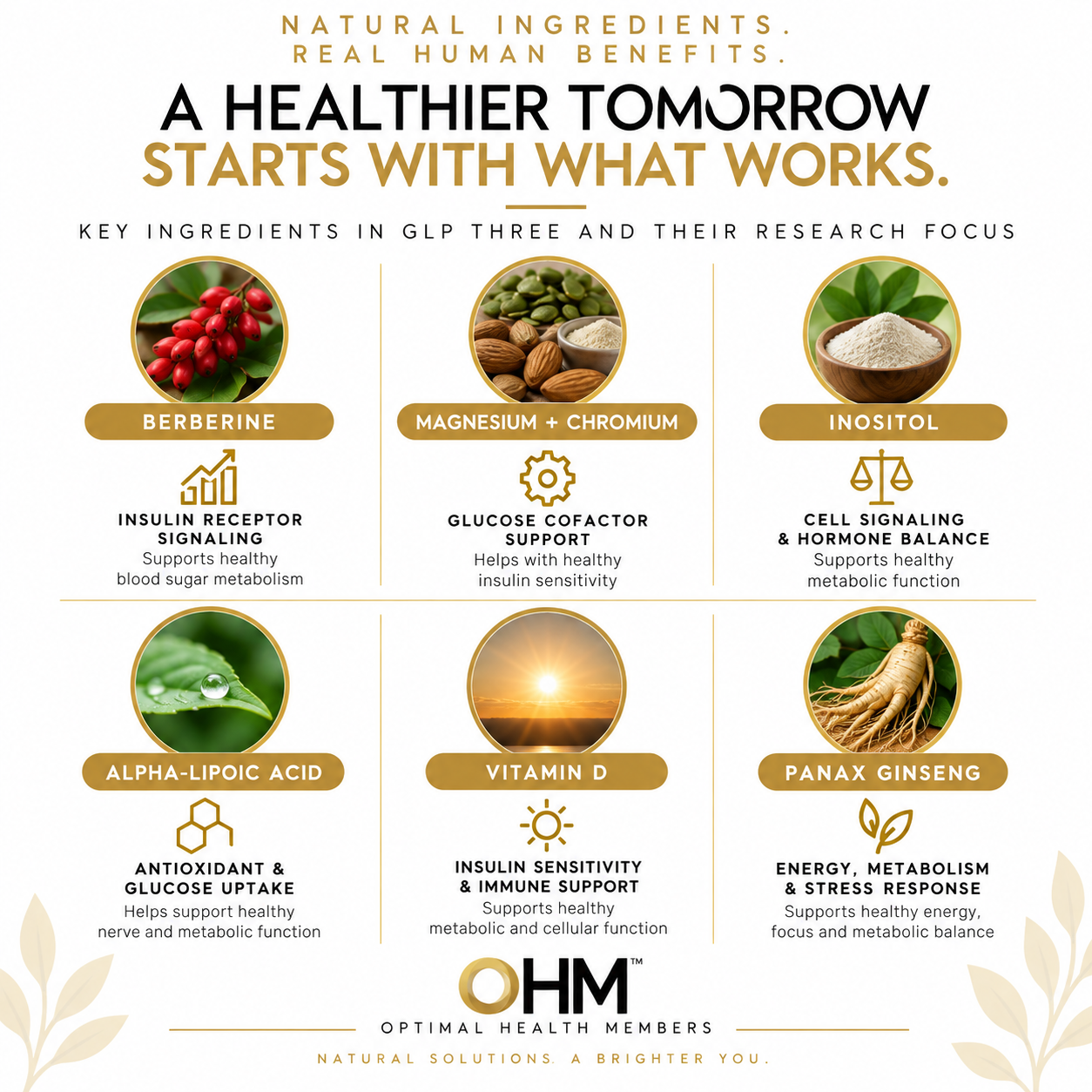
Berberine is a plant compound found in barberry, goldenseal, and several other traditional botanicals. It has the deepest research base of any natural compound studied for insulin resistance, with mechanisms of action described in a descriptive review published on NCBI that outlines how it interacts with insulin receptor signaling and gut microbiota. In women with PCOS specifically, a pretest-posttest study found berberine supplementation was associated with improved insulin sensitivity and more regular menstrual cycles over a six-month period. Researchers describe its effect on insulin sensitivity as comparable to some effects seen with metformin in certain measures, though berberine is not a substitute for prescribed diabetes medication and can interact with several drug classes.
Magnesium and Chromium, Together
Both minerals are cofactors involved in how insulin binds to its receptor. Individually, the research is mixed. Combined, the picture strengthens. One randomized trial found that 160 mcg of chromium plus 200 mg of magnesium daily for 10 weeks improved fasting glucose, fasting insulin, and insulin resistance index more effectively than either mineral taken alone, a finding summarized from Dou et al. in the Asia Pacific Journal of Clinical Nutrition.
Inositol
Most studied in women with PCOS, myo-inositol supports the same cell signaling pathway that insulin itself relies on. It's generally well tolerated and considered one of the gentler options in this category.
Alpha-Lipoic Acid and Vitamin D
Both show moderate evidence for supporting insulin sensitivity, particularly in people who are deficient in vitamin D to begin with. Neither is considered a stand-alone fix.
Panax Ginseng
This is one of the ingredients formulated into GLP THREE. A systematic review and meta-analysis of 16 randomized controlled trials found that ginseng supplementation modestly but significantly reduced fasting blood glucose across participants with and without diabetes. The effect size was small, and not every trial agrees. Other researchers have found no measurable effect on glucose regulation in healthy, non-diabetic volunteers over shorter study periods. The honest summary: ginseng appears to offer some support for blood sugar levels already in a normal range, in some people, but it is not a dramatic or guaranteed effect.
The consistent theme across all of this research, summarized well by a clinical overview from Nourish, is that insulin resistance cannot be reversed by supplements alone. They're a supporting piece, not the whole strategy.
Where Does a Natural GLP-1 Pathway Supplement Fit In?
Your body already makes GLP-1. It's a hormone released from your gut after you eat, and according to the Cleveland Clinic, it does several things at once: it triggers insulin release from the pancreas, blocks the release of glucagon (a hormone that raises blood sugar), slows how quickly your stomach empties, and increases the sense of fullness after a meal. Prescription GLP-1 medications like semaglutide are synthetic hormones, delivered by injection, designed to mimic that same natural hormone at pharmaceutical strength. They are FDA-approved drugs with their own body of clinical trial data, their own side effect profile, and their own regulatory pathway, and for many people managing type 2 diabetes or obesity, a doctor may determine one is appropriate.
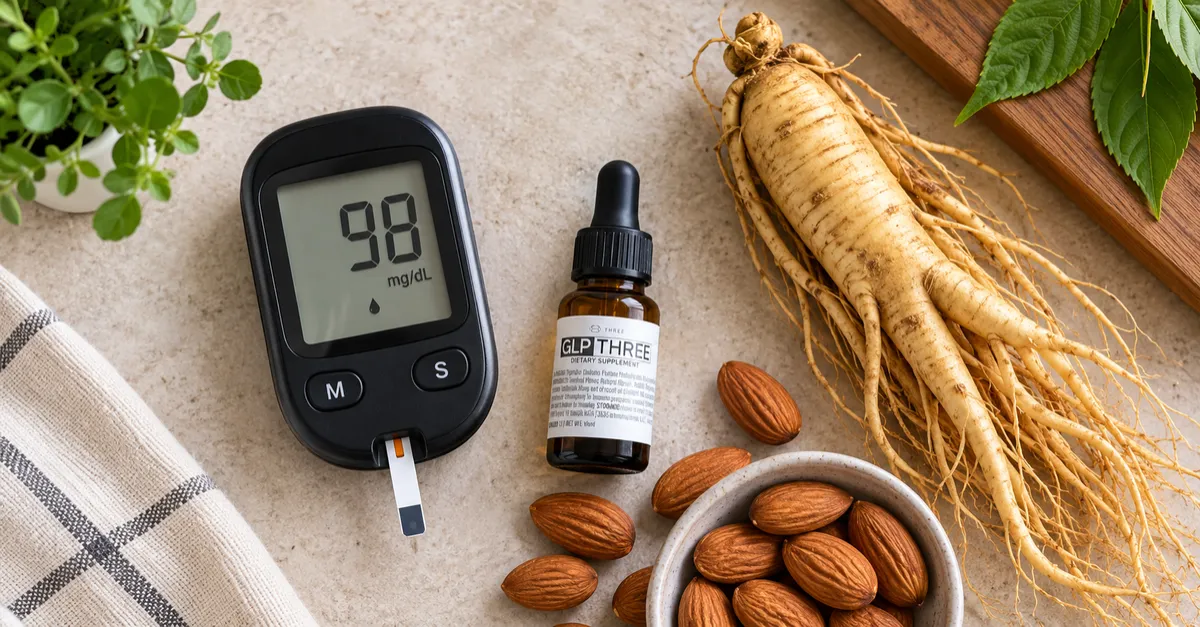
GLP THREE is a different category of product entirely. It's a natural liquid dropper supplement, not a prescription medication, containing a patented MBC-267 peptide complex derived from salmon in the Norwegian Sea and select mushrooms, alongside Panax Ginseng Extract, Saffron Extract, and Humulus Lupulus (Hops) Extract. It's formulated to support the body's own GLP-1 pathway, appetite signaling, blood sugar levels already in a normal range, fat metabolism, and lean muscle maintenance as part of an active lifestyle. It requires no prescription and no injections.
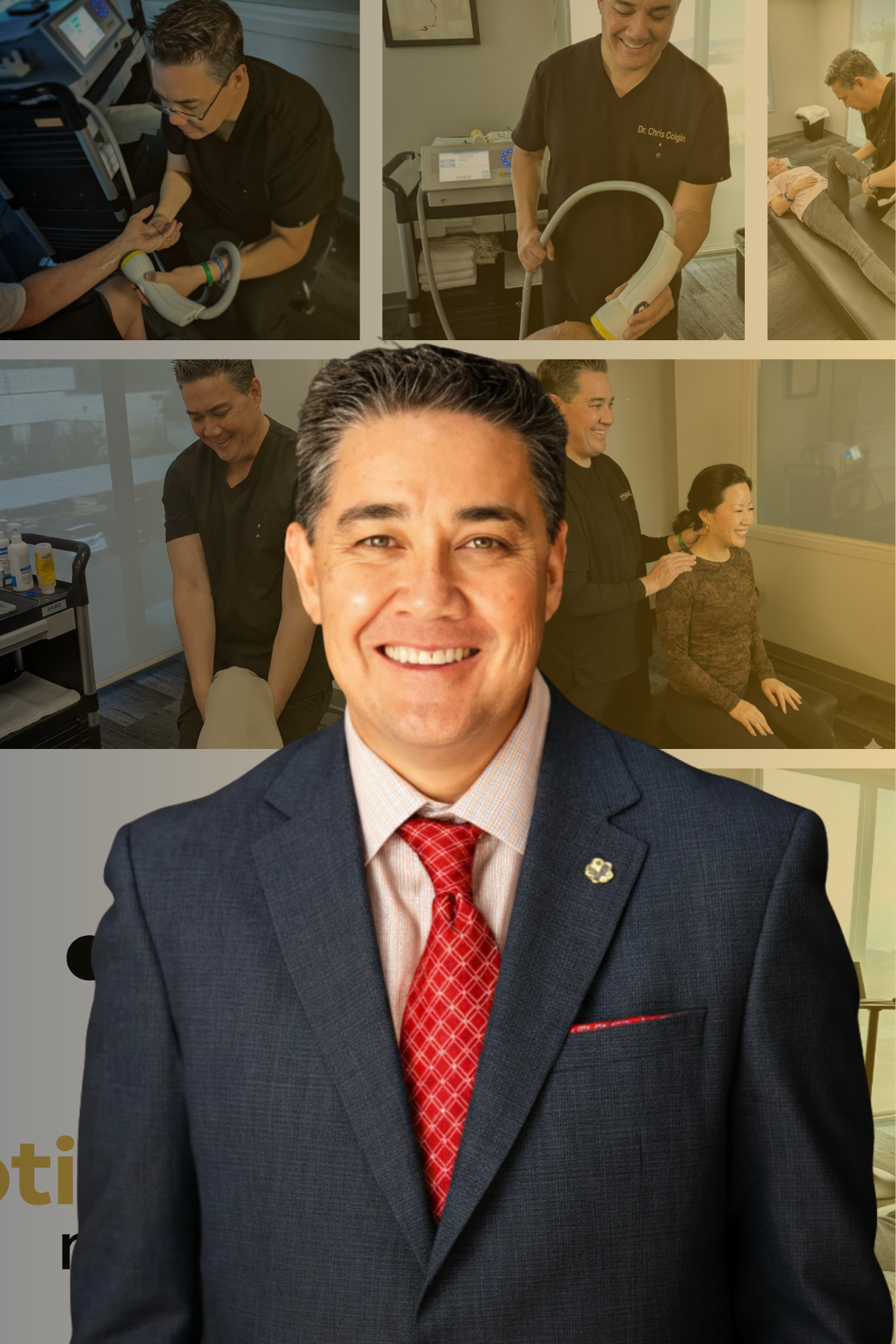
It's worth being precise here, because the two categories get confused constantly. GLP THREE does not contain semaglutide or any synthetic hormone. It is not FDA-approved as a drug, because it isn't one, it's regulated as a dietary supplement. It doesn't come with ongoing lab monitoring or physician-adjusted dosing built into the product. What it does include is a one-time free consultation and a computerized Body Composition Analysis with Dr. Chris Colgin, DC, a chiropractic physician who has practiced since 1996 and directs Optimal Health Members. That consultation is a benefit of purchase, not an ongoing supervised clinical program. The product itself was formulated by Dr. Dan Gubler, a Caltech-trained PhD organic chemist.
If you're someone who wants to support the biology involved in insulin sensitivity and appetite regulation without a prescription or an injection, this is the category GLP THREE was built for. If you're managing diagnosed insulin resistance, prediabetes, or type 2 diabetes, that conversation belongs with your physician first, and a supplement like this can be discussed as a complementary piece of a broader plan, not a replacement for medical care.

What Else Actually Moves the Needle?
Supplements are a piece of the puzzle, not the whole picture. The factors with the strongest and most consistent research behind them for insulin resistance are the ones that get the least airtime because they don't come in a bottle:
Movement. Regular physical activity, even walking, improves how efficiently muscle cells take up glucose.
Sleep. Poor sleep and obstructive sleep apnea are directly linked to worsened insulin resistance, per Mayo Clinic.
Waist circumference and body composition. Fat carried around the abdomen is more metabolically active, and more closely tied to insulin resistance, than fat carried elsewhere.
Smoking status. Tobacco use is an independent risk factor that compounds the others.
If you're building a plan around insulin resistant supplements, the honest advice is to build it around these fundamentals first, then layer in supplements as support, not the other way around.
Frequently Asked Questions
What is insulin resistance, in plain terms? Insulin resistance means your muscle, fat, and liver cells don't respond normally to insulin, the hormone that moves sugar out of your blood and into your cells for energy. Your pancreas compensates by producing more insulin, which can go unnoticed for years since insulin resistance often has no obvious symptoms.
Can supplements alone reverse insulin resistance? No single supplement, on its own, reverses insulin resistance. Berberine, magnesium, chromium, and a few others have real research behind them for supporting insulin sensitivity markers, but they work best alongside diet, physical activity, sleep, and, when appropriate, medical care, not as a replacement for those things.
Is GLP THREE the same as Ozempic or another prescription GLP-1 medication? No. GLP THREE is a natural dropper supplement, not a prescription drug. It contains no semaglutide or synthetic hormones. Prescription GLP-1 medications are FDA-approved, injectable drugs that mimic the GLP-1 hormone directly, while GLP THREE is formulated to support the body's own GLP-1 pathway using natural ingredients.
How long does it take to notice a difference with insulin-support supplements? This varies widely by person, by supplement, and by how consistent the surrounding lifestyle habits are. Research on ingredients like berberine and ginseng generally involves weeks to months of consistent use, not days, and individual results vary.
Should I talk to my doctor before starting supplements for insulin resistance? Yes. This is especially important if you take medication for diabetes or blood sugar, since some natural compounds like berberine can interact with those medications. A doctor can also help confirm whether what you're dealing with is insulin resistance, prediabetes, or something else entirely.

If you've been told you're insulin resistant, or you suspect you might be, the research points to a layered approach: the fundamentals of movement, sleep, and body composition first, evidence-backed supplements like berberine, magnesium, and chromium as support, and a conversation with your doctor if you're managing a diagnosed condition. If you're looking for a natural, non-prescription option that supports the body's own GLP-1 pathway, appetite signaling, and blood sugar levels already in a normal range as part of that plan, GLP THREE includes a free consultation and computerized Body Composition Analysis with Dr. Colgin with every 4-bottle order. See the current offer here.
These statements have not been evaluated by the Food and Drug Administration. This product is not intended to diagnose, treat, cure, or prevent any disease. Individual results may vary. Talk to your doctor before starting any new supplement.