Weight Loss Supplements That Work: What the Research Shows
You have probably scrolled past a hundred ads promising the "one supplement that finally works." Some of them are lying. Some are quietly telling the truth about a small, specific effect while letting the marketing imply something much bigger. If you are trying to figure out which weight loss supplements have real evidence behind them, and which are just bottled hope, this post walks through what the research supports, where it falls short, and how to think about a product like GLP THREE in that context.
Quick Answer
Most weight loss supplements have weak or no clinical evidence behind them. A small number of ingredients, including glucomannan, certain fiber blends, and berberine, have some peer-reviewed support for modest effects. No supplement matches prescription GLP-1 medications for weight loss magnitude. The most honest approach is to evaluate ingredients individually, expect modest support rather than dramatic results, and pair any supplement with diet, activity, and sleep habits that do the heavier lifting.
Key Takeaways
Dietary supplement makers are not required to run clinical trials before selling a product, which is a major reason evidence is thin across the category.
Fiber-based ingredients like glucomannan have peer-reviewed, placebo-controlled trial data behind modest weight loss.
Orlistat is the only FDA-approved over-the-counter weight loss drug, and it works by blocking fat absorption, not by acting like a GLP-1 medication.
The FDA has repeatedly found weight loss products spiked with undeclared prescription drugs, some of which were pulled from the market for safety reasons.
GLP THREE is a natural liquid dropper supplement formulated to support the body's own GLP-1 pathway, appetite signaling, and metabolic health. It is not a prescription medication, an injectable, or a clinically supervised program.
Do Weight Loss Supplements Actually Work? What the Research Really Shows
The honest answer is: it depends entirely on which supplement and which ingredient you mean. Mayo Clinic notes that supplement manufacturers rarely conduct clinical trials, which is a major reason there is so little rigorous proof behind most weight loss products on the market. That gap between marketing claims and actual data is the root of most consumer confusion.
Some ingredients do have real, peer-reviewed research behind them, even if the effect sizes are modest. A systematic review published in the American Journal of Clinical Nutrition found that adults with overweight or obesity who used soluble fiber supplements over several weeks saw meaningful, if moderate, reductions in body mass index and body weight. Glucomannan specifically has been studied in randomized, placebo-controlled trials, including a Rush University Medical Center trial evaluating the safety and efficacy of glucomannan fiber capsules for weight loss over eight weeks, reflecting the kind of controlled research that most weight loss products never undergo.
Berberine is another ingredient with a growing evidence base. Multiple reviews have found that consistent daily use over eight or more weeks is associated with measurable decreases in weight and BMI, particularly at gram-level daily doses.
On the pharmaceutical side, orlistat remains the only weight loss drug available without a prescription in the United States. It works by blocking a portion of dietary fat absorption in the gut rather than by influencing appetite hormones, which is a fundamentally different mechanism from both prescription GLP-1 medications and GLP-1 pathway-supporting supplements.
Which Weight Loss Supplements Have the Strongest Evidence Behind Them
Not all "natural" ingredients are backed equally. Here is a general picture of where the research currently stands, based on published trials and reviews rather than manufacturer marketing:
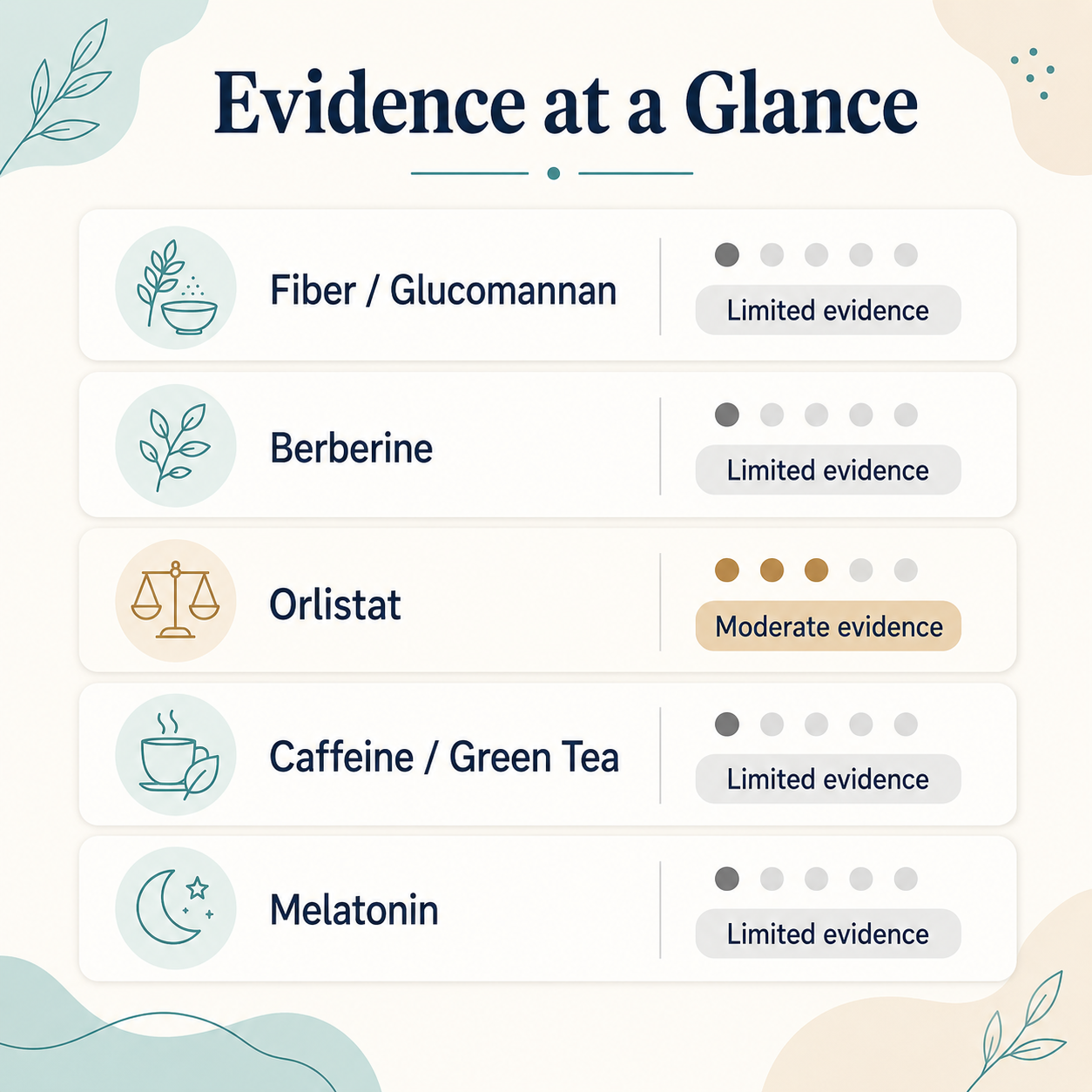
Glucomannan and soluble fiber blends: Multiple randomized trials show modest weight loss when combined with normal eating habits, largely through increased satiety.
Berberine: Emerging research shows measurable effects on weight and metabolic markers with consistent, longer-term use, though study sizes remain smaller than pharmaceutical trials.
Orlistat (OTC): FDA-approved with the strongest clinical trial base of any nonprescription weight loss product, though it works through fat absorption blocking, not appetite signaling.
Caffeine and green tea extract: Some evidence for modest, short-term metabolic effects, though results are inconsistent across studies.
Melatonin: Some research links improved sleep quality to better weight and appetite regulation, since sleep loss is independently linked to increased hunger signaling.
None of these come close to matching the average weight loss seen with prescription GLP-1 medications like semaglutide, and no honest source in this space should suggest otherwise. The comparison that matters is not "does this replace a prescription drug," it is "does this ingredient have real data, and does that data match what is being promised on the label."
Why So Many Weight Loss Supplements Don't Work (or Aren't Safe)
This is the part most weight loss content skips, and it matters more than any ingredient list. A pharmacology review published in Pharmaceuticals notes that weight loss supplements are commonly used for extended periods, which raises the risk of interactions with medications a person may already be taking, something rarely disclosed on the label. Ingredients like green tea extract, certain citrus compounds, and other common weight loss additives can interact with blood thinners, antidepressants, and other prescriptions in ways most consumers never anticipate.
There is a more serious problem underneath the weak-evidence issue: outright fraud. The FDA's own laboratory testing has repeatedly found undeclared pharmaceutical ingredients hidden inside products marketed as weight loss dietary supplements, including compounds pulled from the market entirely for safety reasons. One of the most common was sibutramine, an appetite suppressant removed from the U.S. market after research linked it to increased cardiovascular risk, yet it continued turning up in "natural" weight loss products sold online for years afterward.
This is why the phrase "natural" on a label means very little on its own. It is not a regulatory claim, and it does not guarantee that a product only contains what is listed. The FDA maintains a public tainted products database specifically because this keeps happening, and weight loss products remain one of the most frequently flagged categories.
How to Evaluate Whether a Weight Loss Supplement Is Worth Trying
A few practical filters can save you time and money before you buy anything:
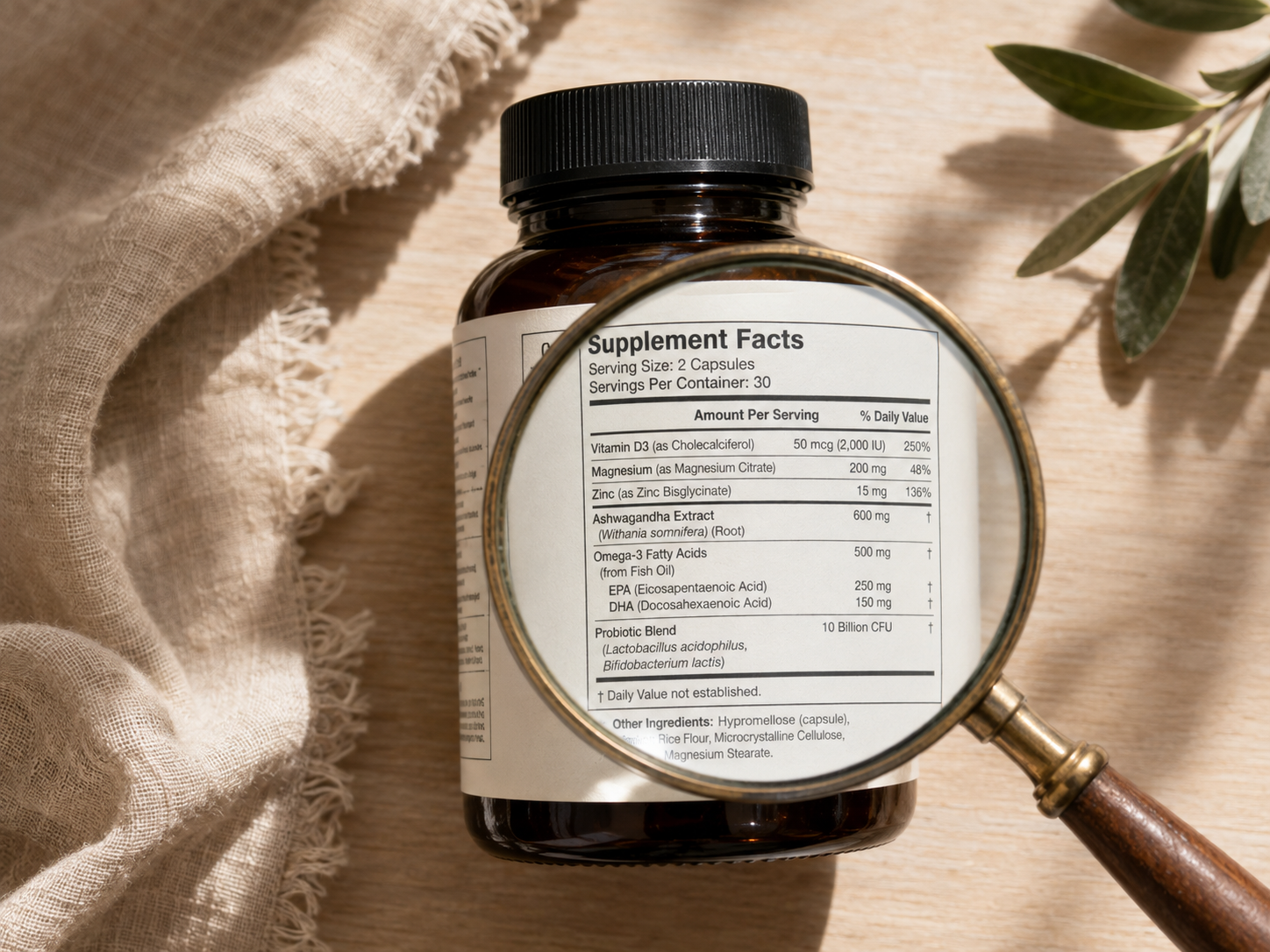
Look for named, dosed ingredients, not proprietary blends that hide exact amounts. If a label will not tell you how much of an ingredient you are getting, that is a red flag on its own.
Check whether the ingredient has trial data at the dose used, since a compound that works at 1,000mg is meaningless if your product contains 50mg.
Be skeptical of any product implying it matches or mimics a prescription GLP-1 medication's results. No over-the-counter supplement has been shown to produce that magnitude of change, and any product implying otherwise is overstating its evidence.
Ask what the company will not tell you. Reputable brands disclose delivery method, ingredient sourcing, and dosing. Vague marketing language usually signals vague evidence.
Talk to a doctor before adding anything new, particularly if you take other medications, since interaction risk is one of the most under-discussed issues in this category.
Where GLP THREE Fits Into the Conversation
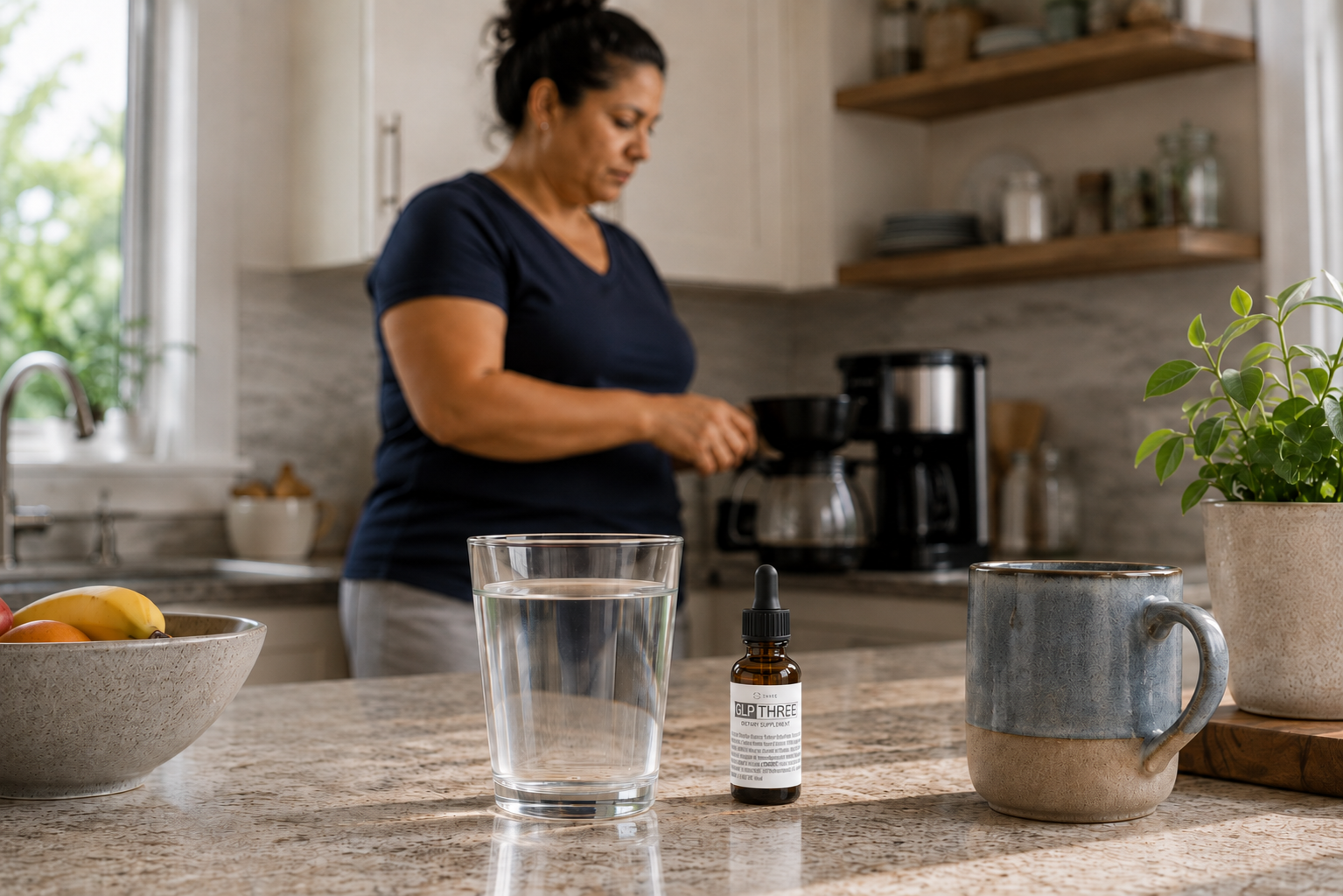
GLP THREE is a natural liquid dropper supplement, not a prescription medication and not a clinically supervised program. It is formulated around a patented MBC-267 peptide complex, sourced from salmon in the Norwegian Sea and select mushrooms, combined with Panax Ginseng Extract, Saffron Extract, and Humulus Lupulus (Hops) Extract. The formulation is designed to support the body's own GLP-1 pathway, natural appetite signaling, blood sugar levels already within a normal range, fat metabolism, and lean muscle maintenance as part of an active lifestyle.
That is meaningfully different from a synthetic GLP-1 medication like semaglutide in three specific ways: mechanism (ingredients intended to support existing biological pathways rather than a synthetic hormone), regulatory status (a dietary supplement, not an FDA-approved drug), and delivery (an oral dropper rather than an injection). GLP THREE does not contain semaglutide or any synthetic hormone, and it should not be understood as producing the same clinical results as a prescription medication.
The product was formulated by Dr. Dan Gubler, a Caltech-trained PhD organic chemist. GLP THREE's founder, Dr. Chris Colgin, DC, has practiced as a licensed chiropractic physician since 1996 and serves as Director of Optimal Health Members. A 4-bottle supply is $289 and includes a free consultation along with a computerized Body Composition Analysis with Dr. Colgin, which can be a useful starting point for understanding your own metabolic baseline before starting any supplement, though it is not a substitute for medical monitoring or a physician-supervised program.
Frequently Asked Questions
Do any weight loss supplements actually work? Some ingredients, including glucomannan fiber and berberine, have peer-reviewed research showing modest effects. Most weight loss supplements on the market, however, have little to no clinical evidence behind their specific claims.
Are natural weight loss supplements as effective as Ozempic or other GLP-1 medications? No. Prescription GLP-1 medications work through a synthetic hormone and produce a different scale of results than any over-the-counter supplement. Natural ingredients that support the body's existing GLP-1 pathway work through a different mechanism and should not be expected to match those results.
Is GLP THREE a prescription product or an injectable? No. GLP THREE is a natural liquid dropper supplement taken orally. It requires no prescription and no injections, and it is not part of a lab-monitored or physician-dosed clinical program.
How do I know if a weight loss supplement is safe? Look for named, dosed ingredients rather than proprietary blends, check the FDA's tainted products database before purchasing anything unfamiliar, and talk to your doctor before starting any new supplement, especially if you take other medications.
What ingredients are in GLP THREE? GLP THREE contains a patented MBC-267 peptide complex derived from salmon in the Norwegian Sea and select mushrooms, along with Panax Ginseng Extract, Saffron Extract, and Humulus Lupulus (Hops) Extract.
These statements have not been evaluated by the Food and Drug Administration. This product is not intended to diagnose, treat, cure, or prevent any disease. Individual results may vary. Talk to your doctor before starting any new supplement.
If you want a clearer picture of where you are starting from before trying any supplement, GLP THREE's free consultation and Body Composition Analysis with Dr. Colgin is a reasonable first step. Learn more about GLP THREE.